Featured
Table of Contents
The 5 phases of grief are rejection, rage, negotiating, anxiety, and approval. Everyone experiences grief differently, and it is important to enable individuals to grieve in their own way.
It is very important to keep in mind that the mourning procedure can be complex, and it isn't the same for every person. These actions might not be followed exactly, or other feelings might emerge after you believed you were through the phases of grieving. Allowing area to experience pain in your own means can assist you recover after loss.
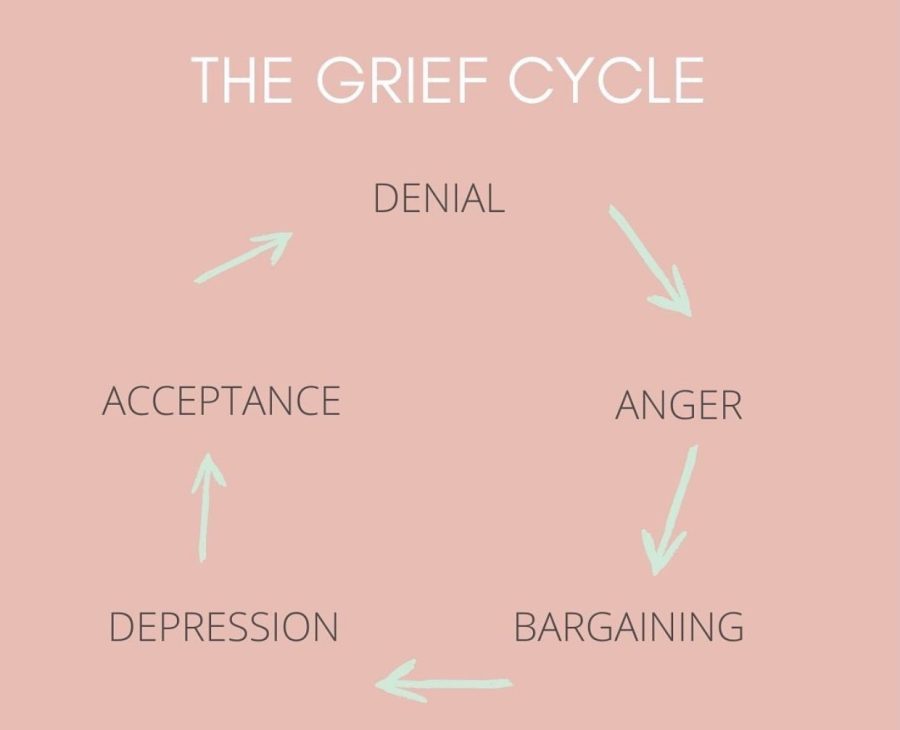
It recommends that we go with 5 distinctive phases after the loss of a liked one. These stages are denial, temper, bargaining, anxiety, and finally acceptance. In the very first phase of the grieving procedure, rejection helps us lessen the overwhelming discomfort of loss. As we process the fact of our loss, we are likewise trying to survive psychological discomfort.
Throughout this stage in mourning, our truth has changed entirely. It can take our minds time to get used to our brand-new fact. We reflect on the experiences we've shown the individual we shed, and we might discover ourselves asking yourself exactly how to move on in life without he or she. This is a great deal of info to discover and a great deal of excruciating imagery to procedure.
Why EMDR Therapy Works for Relational Wounds
Denial is not only an effort to make believe that the loss does not exist. We are trying to adjust to a new truth and are likely experiencing severe psychological pain.
It may really feel extra socially acceptable than admitting we are terrified. Temper enables us to share emotion with less concern of judgment or denial. Temper additionally has a tendency to be the initial point we really feel when starting to release emotions connected to loss. This can leave us feeling isolated in our experience.
During negotiating, we have a tendency to concentrate on our personal faults or remorses. We might recall at our interactions with the person we are losing and note at all times we really felt detached or may have triggered them pain. It is usual to remember times when we might have claimed points we did not imply and desire we can go back and behave in different ways.
During our experience of handling pain, there comes a time when our creativities cool down and we slowly begin to consider the fact of our present circumstance. Negotiating no more feels like an option and we are faced with what is occurring. In this stage of grieving, we start to feel the loss of our liked another abundantly.
Creating a Life of True Purpose in San Francisco
In those moments, we tend to draw internal as the unhappiness grows. We might locate ourselves pulling away, being much less sociable, and connecting less to others about what we are going through. This is an extremely all-natural stage in the mourning process, dealing with clinical depression after the loss of a loved one can be very isolating and among one of the most tough phases.

, it is not that we no longer really feel the discomfort of loss. Instead, we are no longer resisting the truth of our circumstance, and we are not struggling to make it something various.
There is no details period for any one of these stages. A single person might experience the phases quickly, such as in an issue of weeks, whereas another individual might take months or also years to move via the stages of grieving. Whatever time it considers you to relocate with these stages is flawlessly regular.
Inner Child Work for Healthcare Workers Through EMDR in San Francisco
You may or might not go with each of these stages or experience them in order. The lines of the grieving procedure stages are typically blurred. We might additionally relocate from one stage to one more and potentially back again before totally moving right into a new phase. Your pain is distinct to you, your relationship to the individual you lost is special, and the psychological processing can feel different to every person.
These versions can provide greater understanding to individuals that are injuring over the loss of a loved one. They can additionally be made use of by those in healing occupations, aiding them to offer efficient treatment for mourning individuals that are seeking educated advice.
British psychiatrist Colin Murray Parkes created a version of pain based on Bowlby's concept of accessory, recommending there are four phases of grieving when experiencing the loss of a liked one:: Loss in this stage really feels impossible to approve. A lot of carefully associated to Kbler-Ross's phase of rejection, we are bewildered when trying to cope with our feelings.
: As we refine loss in this phase of despair, we may begin to look for comfort to load deep space our loved one has actually left. We could do this by experiencing again memories via images and searching for indicators from the person to really feel connected to them. In this stage, we come to be very busied with the individual we have shed.
Vicarious Trauma in Helping Professions
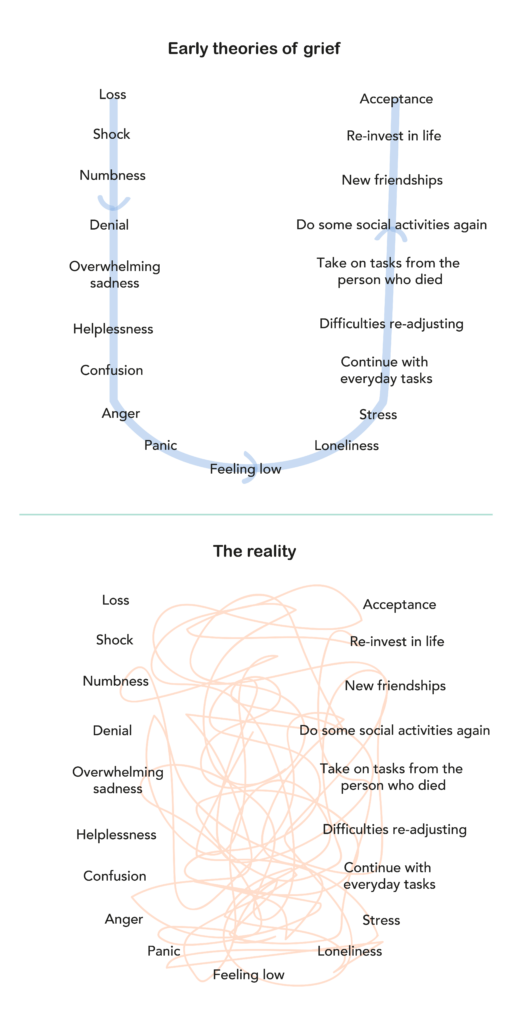
The awareness that our liked one is not returning feels real, and we can have a challenging time comprehending or finding hope in our future. We may feel a bit pointless throughout this section of the grieving procedure and resort from others as we process our pain.: In this stage, we really feel much more enthusiastic that our hearts and minds can be recovered.

Latest Posts
The Path of Relationship Repair in Professional Counseling
Virtual EMDR Intensives Options for OCD Therapy
When Standard Nutritional Counseling Misses the Mark Without Trauma Work