Featured
Table of Contents
Treatment can't make all of life's obstacles disappear, yet it can assist you begin responding to tough people or situations in much healthier, a lot more effective means.
Advancement in therapy is constantly a positive sign. It indicates you're boosting and progressing, and it reaffirms that you're being sustained where you are now, not where you were when you began. Attaining your first goals and setting new ones with your specialist shows true momentum in your healing journey.
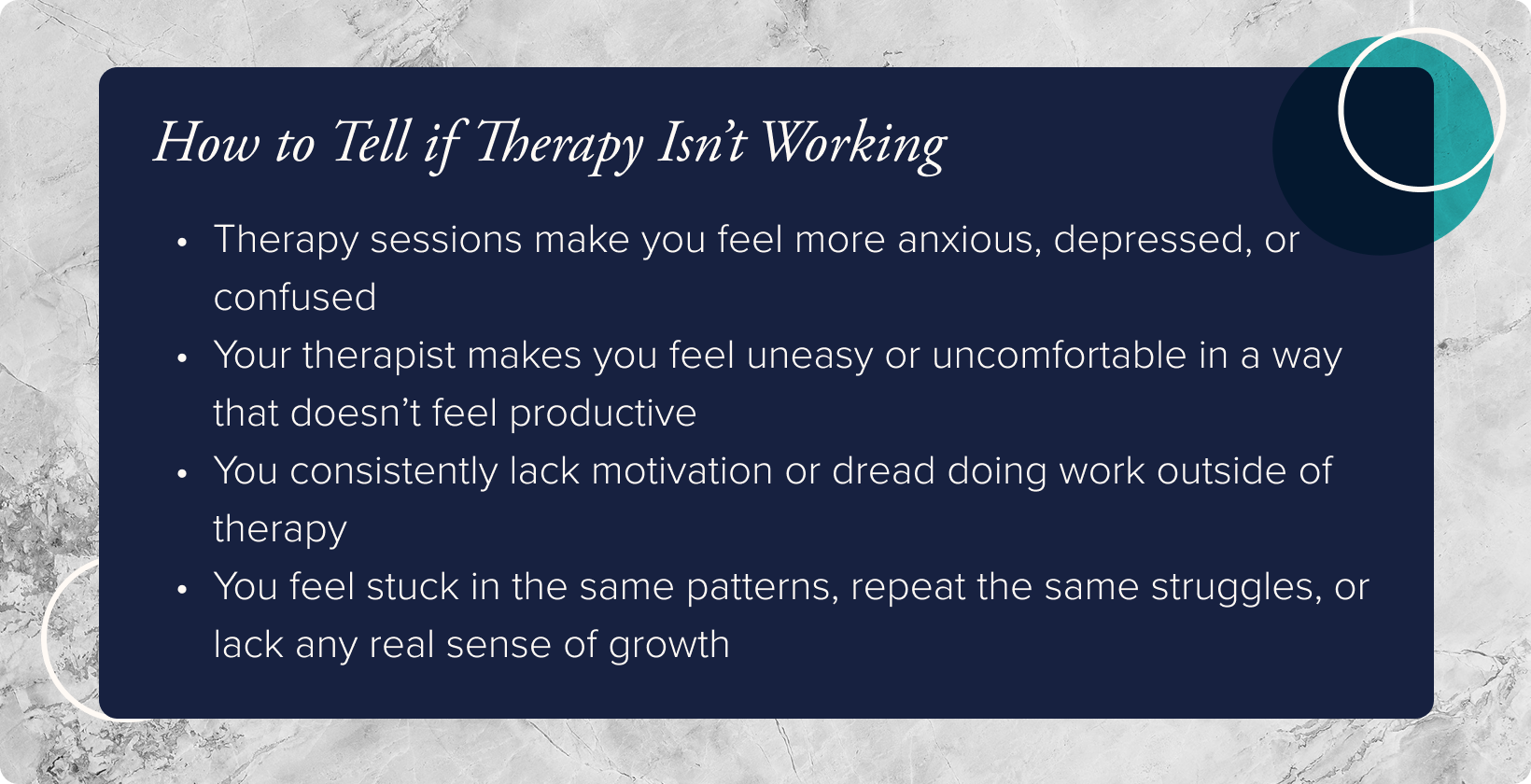
Progress in treatment is rarely, if ever before, linear. This indicates things will not always occur in a straight line or in a predictable way. You might have problems, regressions, or challenging minutes along the method, however it is very important to keep in mind that these are part of the procedure, not a sign of failure.
Are you thinking about therapy however are uncertain exactly how commonly you should participate in sessions? In this article, we will discover the inquiry: Just how commonly should you attend treatment sessions?
Traditional Clinical Therapy for perfectionism Options
At Depth Counseling, we provide long-term psychodynamic psychiatric therapy. A lot of clinicians concur that attending represents the minimum degree of immersion to see long-lasting results. The reason is easy: therapy is a practice. Much like meditation, yoga exercise, workout, composing, or any kind of other technique, it calls for uniformity of immersion with a great deal of method to learn and internalize the technique.
This will equip you to choose that seem like your choices (not simply adjustments to the demands of various other individuals). As you discover to identify and browse the intricacies of your inner globe with of therapy, you will locate higher authenticity and creativity in job and in your partnerships.
We encourage you to talk to one of our specialists to determine the ideal regularity for you. It is likewise crucial to acknowledge that, in situations of financial difficulty, numerous of our therapists can and will fit a minimal regularity of treatment. We think that it is essential to fulfill you where you are and to relocate at the speed you establish, as you start this profound journey.
Many individuals go to therapy once a week, and some might also go twice a week if they are dealing with severe distress or have intensive therapy goals. Nevertheless, as they progress, these sessions might come to be much less constant. For those with less pushing concerns who just participate in therapy for recurring maintenance, bi-weekly and regular monthly sessions are sufficient.
Navigating the Foundational Problems of Mental Health Struggles
There isn't just one element determining the number of times one ought to go to treatment, yet several aspects that contribute in figuring out treatment frequency. These aspects can be interior (personal battles, motivations, etc) and exterior (restorative elements). By understanding these factors, you will recognize why your therapist creates a specific routine and why that timetable is most fit to your recovery trip.
In such cases, twice-weekly sessions may be called for. Satisfying the specialist extra regularly in the onset of treatment is frequently suggested. Maybe on a weekly or biweekly basis, and the factor for this is easy: the much more you meet the therapist, the sooner the restorative bond can be developed.
Professional Therapy for perfectionism
The regularity of therapy sessions additionally boils down to what treatments are being made use of. Different therapy strategies have various session regularity suggestions because some can be extensive while others may not be. Psychoanalysis commonly needs multiple sessions a week, while psychodynamic treatment (what we supply at Deepness Therapy) might require simply once a week sessions.

Your budget plan, job timetable, personal schedule, and the range in between your home and the clinic should all be reviewed with your specialist. This is necessary for establishing a therapy routine that keeps you dedicated without adding any kind of undue stress and anxiety. No matter of the mental health and wellness problem, attending weekly treatment sessions can be beneficial for all those who on a regular basis most likely to therapy.
Moving Forward from Excessive Expectations to Self-Acceptance
When treatment sessions are set up at an established period, it allows you and the specialist to establish a stronger alliance, which, consequently, generates higher depend on in less time. This creates a secure room where you can process and review your experiences, thoughts, and sensations with your therapist so that they can obtain understanding into your battles.

As you satisfy your therapist much more frequently, the probability of issues going unaddressed, however tiny, is reduced. With constant once a week follow-ups, the therapist can evaluate the progress made and reinforce coping systems and brand-new discoverings regarded essential for producing lasting changes. A therapistclient partnership is founded on trust, and without regular meetings, it can be hard to develop that depend on.
Video Therapy for Practical Support
When you really feel understood and unconditionally supported, you can share your thoughts, feelings, and struggles without appointment. For intimate discussions to stream openly, it's crucial to have a conducive atmosphere where individual expression is not stifled by judgment. One way to develop such a risk-free room is to fulfill your therapist routinely to discuss your concerns and find resolutions throughout the time devoted to you.
It is an important part of psychological healthcare that can have an extensive effect on an individual's overall wellness. Identifying will certainly be needed is an ongoing procedure that may require changes in the process. It is important to take notice of indications that show the requirement to boost or reduce the.
Discuss your interest in your specialist and explore the opportunity of more intensive treatment. If you discover yourself experiencing boosted distress, enhanced signs and symptoms, or a worsening of your mental health problem, it may indicate the need for more regular treatment sessions. Connect these adjustments to your specialist so that they can readjust your treatment strategy accordingly.

Latest Posts
Sustained Treatment vs Weekly Sessions
Why Studies Demonstrates About Multi-Modal Treatment
Exploring Formative Events Via Dynamic Psychotherapy in Chicago